
Transfer Property To Partner: What You Need To Know
3 December, 2025
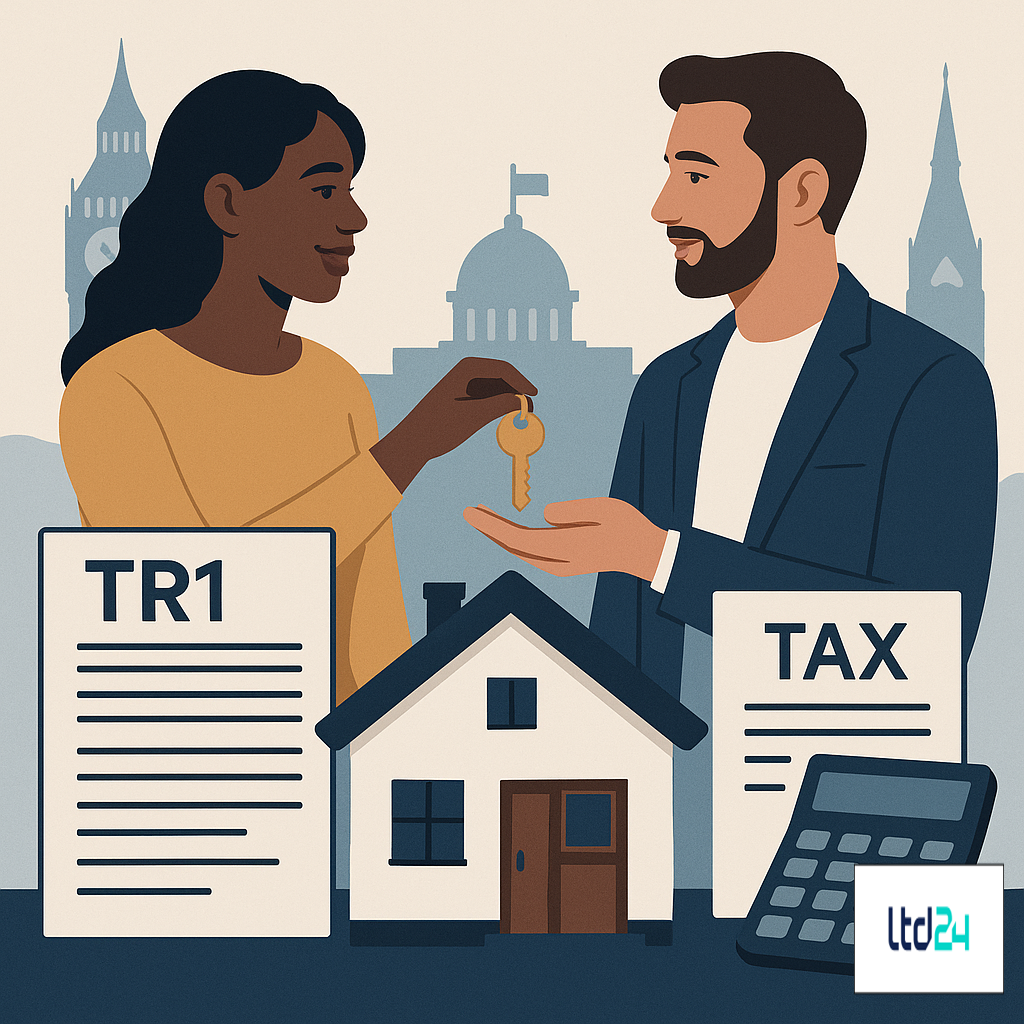
Understanding the Concept of Property Transfer to Partners
Transferring property to a partner represents a significant legal and financial transaction that requires careful consideration of multiple factors. This process involves the conveyance of real estate ownership rights from one individual to their spouse, civil partner, or domestic partner. The transfer can be motivated by various personal, financial, or tax planning objectives. Such transfers are governed by specific legal frameworks and tax regulations that vary substantially across different jurisdictions. When conducting property transfers to partners, individuals must navigate complex issues relating to ownership structures, potential tax liabilities, and long-term estate planning implications. Unlike standard property transactions between unrelated parties, transferring assets to partners often qualifies for certain exemptions or preferential treatment under tax laws, though these benefits come with specific qualifying criteria and potential limitations that must be thoroughly understood before proceeding with any transfer arrangement.
Legal Frameworks Governing Partner Property Transfers
The legal foundation for partner property transfers differs significantly based on jurisdiction and relationship status. In the United Kingdom, the primary legislation governing such transfers includes the Law of Property Act 1925, the Taxation of Chargeable Gains Act 1992, and the Finance Act 2003. For married couples and civil partners, transfers are typically considered on a “no gain, no loss” basis for Capital Gains Tax purposes, meaning the transfer occurs at neither a gain nor a loss to the transferor. This contrasts with unmarried partners, who may face different legal considerations. The legal structure of ownership is paramount – property can be held as joint tenants (with automatic right of survivorship) or as tenants in common (where each partner owns a specific share). The choice between these ownership structures carries significant legal implications for inheritance and control of the property. Before initiating any transfer, partners should consider consulting with a formation agent in the UK who can provide guidance on the legal frameworks applicable to their specific situation.
Tax Implications When Transferring Property to Your Partner
Tax considerations form a crucial aspect of property transfers between partners. For married couples and civil partners in the UK, property transfers are generally exempt from Stamp Duty Land Tax (SDLT) and occur on a no gain, no loss basis for Capital Gains Tax (CGT). However, this exemption doesn’t apply to unmarried partners, who may face substantial tax liabilities. When transferring property with a mortgage, potential SDLT implications arise based on the “chargeable consideration” which includes the outstanding mortgage amount being taken on by the recipient partner. Beyond immediate tax considerations, there are long-term Inheritance Tax (IHT) implications to consider. The transfer may affect the transferor’s nil-rate band and potentially create reservations of benefit if certain conditions aren’t met. For international couples or properties abroad, additional tax treaties and foreign tax regulations may apply. According to HM Revenue & Customs statistics, property transfers between spouses save UK taxpayers approximately £480 million annually in potential CGT liabilities. For specialized guidance on complex tax matters relating to property transfers, consider consulting with experts in UK company taxation who can provide tailored advice.
Step-by-Step Process for Transferring Property to a Partner
The procedural aspects of transferring property ownership require meticulous attention to detail. The process typically begins with obtaining an official copy of the property’s title register from the Land Registry, which costs approximately £3. Both partners should then seek independent legal advice to understand the implications of the transfer. Following this, a TR1 form (Transfer of Whole of Registered Title) must be completed, detailing the transfer specifics. This form requires precise information about both parties, the property, and the nature of the transfer. If mortgage considerations are involved, lender consent is essential before proceeding. Once the TR1 form is properly executed and witnessed, it must be submitted to the Land Registry along with the applicable fee, which ranges from £20 to £125 depending on the property value. The Land Registry typically processes straightforward applications within 6-8 weeks, though complex cases may take longer. Throughout this process, maintaining clear documentation of all communications and agreements is vital for future reference. For assistance with administrative aspects of property transfers, consulting professionals familiar with UK companies registration and formation can provide valuable guidance.
Mortgage Considerations in Partner Property Transfers
When transferring property with an existing mortgage, several critical factors come into play. First and foremost, obtaining consent from the mortgage lender is non-negotiable, as most mortgage agreements contain clauses prohibiting title transfers without lender approval. Lenders conduct affordability assessments to ensure the receiving partner can manage the financial obligations independently. This assessment typically examines income, credit history, and existing debts. The transfer may trigger a reevaluation of mortgage terms, potentially resulting in different interest rates or loan conditions. In some cases, remortgaging might be necessary, particularly if the original mortgage was based on joint incomes. Early repayment charges could apply if the existing mortgage agreement is terminated prematurely, sometimes amounting to 1-5% of the outstanding loan balance. Additionally, both partners should consider how the transfer affects their future borrowing capacity; the transferring partner’s debt-to-income ratio may improve, while the receiving partner’s ratio may worsen. According to the Council of Mortgage Lenders, approximately 23% of property transfers between partners involve mortgage reassessments. Partners should consider seeking advice from financial advisors familiar with UK property tax implications before finalizing mortgage-related decisions.
Benefits of Transferring Property to a Partner
Transferring property to a partner can yield substantial benefits across multiple dimensions. From a tax planning perspective, married couples and civil partners can take advantage of two sets of tax allowances, potentially maximizing the Capital Gains Tax annual exempt amount when selling the property in the future. For income-generating properties, transferring partial ownership to a partner in a lower income tax bracket can reduce the overall tax burden on rental income. Property transfers between partners can also serve as an effective wealth protection strategy, particularly in high-risk professions where assets might be vulnerable to business creditors or litigation. From an estate planning angle, transfers can simplify probate processes and reduce administrative complexities following the death of one partner. Additionally, balanced ownership between partners can enhance financial independence and equalize decision-making authority regarding the property. For long-term financial security, such transfers can ensure that both partners have tangible assets in their name, providing greater stability in retirement planning. These benefits underscore why approximately 35,000 UK couples transfer property between partners annually, according to Land Registry statistics. For comprehensive guidance on optimizing the benefits of property transfers, consulting with experts in tax planning and optimization is highly recommended.
Potential Risks and Pitfalls to Consider
Despite the numerous benefits, property transfers between partners carry several substantial risks that demand careful consideration. Relationship breakdown risks are paramount—once property is transferred, reversing the transaction can be legally complex and costly if the relationship deteriorates. This is particularly concerning for unmarried couples who lack the legal protections afforded to married couples or civil partners. Financial dependency issues may arise when one partner transfers their sole significant asset, potentially creating vulnerability in their financial position. From a legal perspective, creditor claims represent another risk—transfers made to avoid creditors can be challenged as fraudulent conveyances and potentially reversed by courts. Additionally, poorly executed transfers might trigger unintended tax consequences, including potential Capital Gains Tax liabilities for unmarried couples or Stamp Duty Land Tax if mortgage considerations are involved. Long-term mortgage implications should also be considered, as the transferring partner may remain liable for the mortgage debt even after relinquishing ownership rights. Statistics from the Family Law Courts indicate that approximately 18% of property disputes following relationship breakdowns involve properties that were previously transferred between partners. To mitigate these risks, partners should consider consulting with experts in legal advice for business and personal matters before proceeding with any property transfer.
Special Considerations for Unmarried Partners
Unmarried partners face distinctive challenges when transferring property that married couples and civil partners do not encounter. Unlike their married counterparts, unmarried partners do not benefit from automatic Stamp Duty Land Tax exemptions or the “no gain, no loss” principle for Capital Gains Tax purposes. This differential treatment can result in significant tax liabilities—potentially thousands of pounds depending on the property value and appreciation. To mitigate these challenges, cohabitation agreements become essential legal instruments. These binding documents can clearly outline property ownership rights, financial responsibilities, and procedures for property division if the relationship ends. For enhanced protection, unmarried partners should consider establishing declarations of trust (also known as trust deeds) that explicitly define each partner’s beneficial interest in the property, regardless of legal title arrangements. When mortgage considerations are involved, unmarried partners must be particularly vigilant about joint and several liability clauses, which can leave both parties responsible for the entire debt even after ownership changes. Research from Resolution, the family law organization, indicates that approximately 58% of unmarried couples are unaware of their lack of automatic legal protections compared to married couples. For specialized guidance on navigating the complexities faced by unmarried partners, consulting with experts in private limited company structuring (which follows similar principles of separate legal entities) can provide valuable insights.
Transferring Property as Part of Estate Planning
Property transfers between partners serve as a powerful estate planning tool when implemented strategically. By redistributing assets during your lifetime, you can potentially reduce the overall Inheritance Tax liability your estate might face. Married couples and civil partners benefit from unlimited spousal exemption for Inheritance Tax purposes, making transfers an effective way to ensure assets pass tax-efficiently. For properties with significant appreciation potential, early transfers can maximize the benefit of future growth occurring in a more tax-advantageous ownership structure. Life interest trusts represent another sophisticated approach—these arrangements allow the transferring partner to retain the right to live in or benefit from the property while transferring legal ownership, though these require careful structuring to avoid reservation of benefit issues. Importantly, property transfers should be integrated into a comprehensive estate plan that includes properly drafted wills, potentially lasting powers of attorney, and consideration of other assets. According to HMRC data, effective estate planning through property transfers saves UK families approximately £1.2 billion in potential Inheritance Tax annually. This underscores the importance of consulting with specialists in inheritance tax planning UK to develop a holistic approach that addresses both immediate and long-term objectives.
International Aspects of Partner Property Transfers
Cross-border property transfers between partners introduce layers of complexity that demand specialized knowledge and careful planning. When partners have different domiciles or residences, multiple tax jurisdictions may claim authority over the transaction, potentially leading to double taxation without proper planning. The application of tax treaties becomes essential in such scenarios, as these agreements determine which country has primary taxing rights and what relief mechanisms are available. For partners with international assets, understanding concepts like permanent establishment and permanent establishment taxation is crucial. Different countries apply vastly different legal frameworks to property ownership—civil law jurisdictions like France or Germany handle property rights and transfer mechanisms differently than common law countries like the UK or US. This divergence extends to inheritance laws, with some countries imposing forced heirship rules that may restrict property disposition regardless of the owner’s wishes. Currency fluctuations represent another risk factor, as they can affect the value of the transaction and potential tax liabilities. According to the Office for National Statistics, approximately 12% of property transfers in the UK involve at least one party with international connections. To navigate these complexities effectively, partners should engage advisors with expertise in both UK tax and the relevant foreign jurisdictions.
Using Trusts in Property Transfers to Partners
Trusts offer sophisticated structures for property transfers between partners, providing enhanced flexibility and potential tax advantages. Bare trusts represent one of the simplest arrangements, where the trustee holds the legal title while the beneficiary (partner) retains all beneficial ownership rights. For more complex situations, discretionary trusts provide greater control, allowing the settler to establish flexible beneficiary arrangements that can adapt to changing circumstances. Life interest trusts (also called interest in possession trusts) allow one partner to benefit from the property during their lifetime while directing the ultimate ownership to different beneficiaries after their death. When properly structured, trusts can help mitigate various tax liabilities, though they come with their own tax regimes that must be carefully navigated. For married couples, pilot trusts can be particularly effective for estate planning purposes, potentially preserving nil-rate band allowances. The legal and tax complexity of trust arrangements necessitates expert guidance—according to the Society of Trust and Estate Practitioners, approximately 68% of trusts established without professional advice encounter legal or tax issues within five years. For comprehensive support with trust structures, consulting specialists in international trust services can provide valuable insights tailored to your specific circumstances.
Partner Property Transfers in Business Contexts
Property transfers between partners take on additional dimensions when business interests are involved. For partners who jointly own business premises through a partnership or limited company, transferring property interests requires careful consideration of both business and personal tax implications. Such transfers may trigger corporate tax events under certain circumstances, particularly if the property is held within a corporate structure rather than personally. Business Asset Disposal Relief (formerly Entrepreneurs’ Relief) considerations become relevant, potentially reducing Capital Gains Tax rates to 10% on qualifying business assets. When business property is transferred between partners, partnership agreements or shareholder agreements may need modification to reflect the changing ownership structure. Additionally, transfers could affect business valuations, particularly relevant for businesses seeking investment or preparing for sale. For limited companies, property transfers between shareholders may have implications for persons with significant control registrations. According to the Department for Business and Trade, approximately 22% of small business property transfers occur between spouses or civil partners who are co-owners of the business. For comprehensive guidance on navigating business property transfers, consulting experts in UK company formation for non-residents can provide valuable insights, even for resident business owners dealing with similar structural challenges.
Documenting Property Transfers Properly
Proper documentation serves as the foundation for legally sound property transfers between partners. The cornerstone document is the TR1 form (Transfer of Whole of Registered Title), which must be completed with precision, detailing the exact nature of the transfer and intended ownership structure. Beyond this standard form, partners should consider creating a property transfer agreement that comprehensively outlines the terms, conditions, and intentions behind the transfer. This document should clearly state whether the transfer is a gift, sale, or part of a larger financial arrangement. If the property has a mortgage, obtaining written consent from the lender is non-negotiable, and this consent should be preserved with other transfer documents. For transfers involving complex considerations like retained life interests or occupation rights, these should be explicitly documented in a deed of covenant. All financial aspects of the transfer should be thoroughly documented, including any consideration paid or financial arrangements between the partners. According to legal practitioners, approximately 23% of property disputes involve inadequately documented transfers, highlighting the importance of comprehensive paperwork. For assistance with documentation requirements, consulting professionals familiar with company incorporation documents can provide valuable insights, as similar principles of thorough documentation apply to both corporate and personal property transfers.
Case Study: Successful Property Transfer Between Spouses
To illustrate the practical application of property transfer principles, consider the case of James and Elizabeth Barrett, who successfully restructured their property holdings in 2022. James, a self-employed consultant in a high tax bracket, owned their London family home valued at £850,000 with an outstanding mortgage of £320,000. After consulting with tax advisors, they implemented a strategic transfer plan whereby James transferred 50% ownership to Elizabeth, who worked part-time and was in a lower tax bracket. Their lender, after conducting affordability assessments, approved the transfer while maintaining the existing mortgage terms. This restructuring achieved multiple objectives: it balanced their asset portfolio, reduced their potential Capital Gains Tax liability on a rental property they owned by utilizing both of their annual exemptions, and created inheritance tax efficiency. The transfer was executed through a properly documented TR1 form and supplementary property transfer agreement that clearly outlined their intentions. By leveraging the spousal exemption from Stamp Duty Land Tax and Capital Gains Tax, they completed the transfer with minimal transaction costs of approximately £550 (covering legal fees and Land Registry charges). Three years after the transfer, when James faced business difficulties, the restructured ownership protected half of their primary asset from potential business creditors. This case demonstrates how thoughtful planning and proper execution can maximize the benefits of partner property transfers while minimizing associated risks.
Common Questions About Partner Property Transfers
Property transfers between partners generate numerous questions that reflect the complexity of these transactions. One frequent inquiry concerns capital gains tax implications—married couples and civil partners benefit from transfers at “no gain, no loss,” while unmarried partners may face immediate tax liabilities based on market value. Another common question involves mortgage considerations: “Will transferring property affect my existing mortgage terms?” The answer depends on lender policies, but consent is invariably required, and affordability assessments typically follow. Many partners ask about potential future claims if the relationship ends after a transfer. For married couples, family courts maintain jurisdiction regardless of legal ownership, while unmarried partners have more limited recourse based strictly on legal title. Questions about partial transfers are also common—these are entirely possible but require precise documentation of ownership percentages. According to property law specialists, approximately 42% of initial inquiries about property transfers concern tax implications, highlighting the central importance of tax planning in these decisions. For partners with questions about how property transfers might interact with broader financial strategies, consulting with experts in accounting for startups and established businesses can provide valuable context, as similar principles of strategic asset allocation apply in both personal and business contexts.
The Role of Professional Advisors in Property Transfers
Navigating property transfers between partners demands specialized expertise that typically extends beyond the knowledge of the average property owner. Solicitors specialized in property law play a crucial role in ensuring transfers comply with legal requirements, drafting necessary documentation, and managing Land Registry applications. Their involvement helps prevent technical errors that could invalidate transfers or create future legal complications. Tax advisors with expertise in property taxation provide essential guidance on Capital Gains Tax, Stamp Duty Land Tax, and Inheritance Tax implications, helping partners structure transfers to maximize tax efficiency. For properties with mortgages, mortgage brokers can facilitate discussions with lenders and potentially identify more favorable financing arrangements if remortgaging becomes necessary. In complex situations involving international elements or substantial assets, estate planning professionals offer valuable insights into how property transfers fit within broader wealth management strategies. According to the Law Society, approximately 76% of property transfers between partners conducted without professional legal advice require subsequent corrective action, underscoring the importance of expert guidance. For comprehensive support with property transfers, consider consulting with professionals experienced in tax compliance who can help ensure your transfer adheres to all relevant regulations while achieving your financial objectives.
Recent Legal and Tax Developments Affecting Partner Transfers
The regulatory landscape for property transfers between partners continues to evolve, with several recent developments that merit attention. In 2023, the UK government implemented changes to Stamp Duty Land Tax thresholds and rates, temporarily increasing the nil-rate band before returning to standard levels. These adjustments directly impact non-married partners who don’t benefit from spousal exemptions. Modifications to Capital Gains Tax reporting requirements now mandate that UK residents report and pay any CGT on residential property disposals within 60 days, affecting partners who don’t qualify for spousal relief. Additionally, recent court precedents have strengthened the position of unmarried partners in property disputes, with cases like Stack v Dowden and Jones v Kernott establishing principles for determining beneficial interests when legal title doesn’t reflect actual ownership intentions. On the horizon, proposed changes to inheritance tax legislation could affect how property transfers are treated for estate planning purposes. The Office of Tax Simplification has recommended reforms to the taxation of lifetime gifts, which could impact the effectiveness of property transfers as estate planning tools. According to tax practitioners, approximately 28% of property transfer strategies have required adjustment due to regulatory changes in the past three years. To stay current with evolving regulations, consulting with specialists in UK tax advisory services is highly recommended.
Expert Guidance for Your Property Transfer Journey
Transferring property to a partner represents a significant decision with far-reaching legal, financial, and personal implications. This comprehensive guide has outlined the multifaceted considerations involved, from tax implications and legal frameworks to practical steps and potential pitfalls. The complexity of property transfers highlights the importance of personalized professional guidance tailored to your specific circumstances. Each situation involves unique factors—relationship status, property value, mortgage arrangements, international elements, and long-term objectives—that influence the optimal approach. By working with qualified professionals, you can navigate the complexities with confidence, ensuring your property transfer achieves your intended goals while minimizing potential risks and tax liabilities. Remember that property transfers should be viewed not as isolated transactions but as components of broader financial and estate planning strategies. With careful planning, proper documentation, and expert support, transferring property to your partner can be a powerful tool for building financial security, protecting assets, and creating lasting benefits for you and your loved ones.
Your Next Steps with LTD24
If you’re contemplating transferring property to your partner and need expert guidance on navigating the complex tax and legal implications, LTD24 is here to help. Our team of international tax consultants specializes in providing comprehensive advice tailored to your unique situation. We understand that property transfers between partners involve nuanced considerations across multiple jurisdictions, ownership structures, and tax regimes.
We are a boutique international tax consulting firm with advanced expertise in corporate law, tax risk management, asset protection, and international audits. We offer customized solutions for entrepreneurs, professionals, and corporate groups operating on a global scale.
Book a session with one of our experts now at $199 USD/hour and receive concrete answers to your tax and corporate inquiries (https://ltd24.co.uk/consulting). Our advisors will help you develop a strategic approach that maximizes the benefits of your property transfer while minimizing potential risks and tax liabilities.

Bruno is a sales specialist at Ltd24 and a key collaborator in lead generation. He focuses on identifying potential clients, initiating first contact, and providing the initial support needed to help them move forward with their business projects. With a degree in Economics and Commercial Sales, Bruno stands out for his analytical mindset, customer-oriented approach, and strong communication skills. His proactive attitude and commercial awareness allow him to build solid relationships from the very first interaction. Outside of work, he enjoys competing in padel tournaments.


Comments are closed.