
Can a US Citizen Open a Bank Account in Spain?
28 November, 2025
Understanding the Legal Framework for American Account Holders in Spain
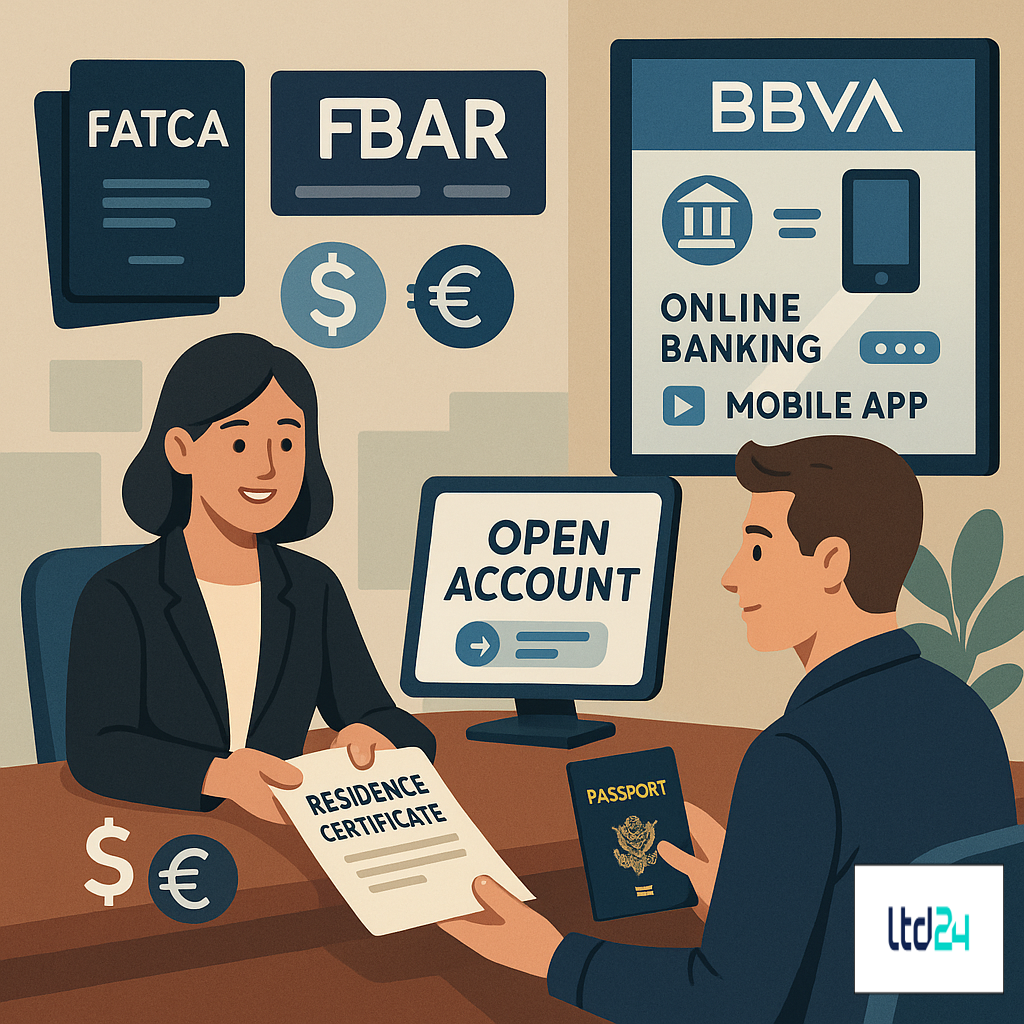
For US citizens contemplating financial arrangements in Spain, establishing a bank account represents a viable and legally permissible option within the Spanish banking system. The regulatory framework governing non-resident banking in Spain permits American nationals to access Spanish financial services, subject to specific documentation requirements and compliance procedures. This arrangement falls under the bilateral agreements between the United States and Spain, which facilitate cross-border banking while implementing necessary safeguards against financial impropriety. US citizens should note that while they maintain the right to open accounts in Spanish financial institutions, these accounts are subject to reporting obligations under both Spanish and American tax legislation, particularly the Foreign Account Tax Compliance Act (FATCA) and the Foreign Bank Account Report (FBAR) filing requirements that apply to American taxpayers with foreign financial assets.
Resident vs. Non-Resident Banking Options for US Citizens
Spanish financial institutions differentiate between resident and non-resident accounts, each with distinct requirements and operational parameters tailored to the account holder’s legal status in Spain. For US citizens temporarily visiting or without established residency in Spain, non-resident accounts (cuentas para no residentes) represent the appropriate banking solution. These accounts typically feature modified service terms, including potential limitations on credit facilities and possibly higher maintenance fees compared to resident accounts. Conversely, American citizens who have secured legal residency in Spain through appropriate visa arrangements or residency permits qualify for standard resident accounts, which generally offer more comprehensive banking services and potentially more favorable fee structures. The classification determination hinges primarily on the customer’s tax domicile rather than solely on citizenship status, making it essential for US nationals to accurately represent their residency status when initiating banking relationships in Spain.
Documentation Requirements for Account Opening Procedures
The process of establishing a Spanish bank account necessitates submission of specific documentation that verifies the prospective account holder’s identity, tax status, and financial legitimacy. US citizens must generally provide a valid US passport, proof of address (either domestic or international), their US tax identification number (TIN), and potentially a non-resident certificate (certificado de no residencia) issued by Spanish police authorities within 90 days of application. Certain Spanish banks may additionally request supplementary documentation including evidence of income sources, employment verification, or financial statements from existing banking relationships. The authentication procedures have been enhanced following the implementation of European anti-money laundering directives, requiring additional due diligence for non-resident accounts. US citizens should anticipate that documentation may need apostille certification for Spanish legal recognition, particularly for more complex financial arrangements such as investment accounts or corporate banking relationships.
Major Spanish Banks Serving American Clients
Several prominent Spanish banking institutions have developed specialized services tailored to accommodate US citizens seeking banking facilities in Spain. Banco Santander, one of Spain’s largest financial institutions, offers non-resident accounts with English-language customer service and digital banking platforms accessible to international clients. Similarly, BBVA provides dedicated account options for foreign nationals, including Americans, with multi-currency capabilities that may prove advantageous for those managing both dollar and euro-denominated assets. CaixaBank has established a specialized international banking division with personnel specifically trained to handle non-resident account applications and compliance matters relating to US tax regulations. Smaller regional Spanish banks, including Sabadell, may offer competitive terms for non-resident accounts, though their English-language services might be less comprehensive than those of larger international institutions. US citizens may benefit from comparing service offerings across multiple Spanish banks, as fee structures and account benefits can vary significantly between institutions serving the expatriate and non-resident market segments.
FATCA Compliance and International Tax Reporting Obligations
US citizens must remain cognizant of their continuing tax reporting obligations when operating Spanish bank accounts, as the United States imposes taxation based on citizenship rather than residence. The Foreign Account Tax Compliance Act (FATCA) mandates that Spanish financial institutions report accounts held by US persons to the Internal Revenue Service, creating an automatic exchange mechanism that ensures transparency. Account holders with aggregate foreign financial assets exceeding $10,000 must file the FBAR (FinCEN Form 114) annually, while those with higher value foreign assets face additional reporting requirements through Form 8938. Failure to comply with these disclosure requirements can trigger substantial penalties, potentially reaching $10,000 per violation for non-willful infractions and significantly higher amounts for willful non-compliance. Spanish banks classified as Foreign Financial Institutions under FATCA have implemented rigorous identification procedures for American account holders, including obtaining completed W-9 forms to certify US taxpayer status. The international tax compliance landscape continues to evolve, making it advisable for US citizens with Spanish accounts to engage qualified tax professionals with expertise in cross-border taxation.
Online and Digital Banking Capabilities for US Expatriates
The Spanish banking sector has undergone significant digital transformation, creating expanded remote banking options advantageous to US citizens managing accounts from abroad. Most major Spanish banks offer sophisticated mobile applications and online banking platforms with English-language interfaces, enabling account management across time zones. Digital verification procedures increasingly allow for remote account opening, though identity verification requirements may still necessitate in-person visits or video identification sessions for regulatory compliance. American account holders can typically establish international transfer capabilities, set up euro-denominated direct debits for Spanish recurring expenses, and access multicurrency account features through these digital platforms. Mobile banking applications commonly support biometric authentication, push notifications for transaction alerts, and secure messaging systems for customer service inquiries, providing comprehensive account oversight regardless of the customer’s physical location. The integration of banking operations with international payment systems facilitates smoother cross-border transactions for Americans maintaining financial ties to both countries.
Currency Considerations and Exchange Rate Management
US citizens operating Spanish bank accounts must strategically navigate the implications of maintaining assets across different currency environments. Spanish accounts are predominantly euro-denominated, exposing American holders to exchange rate fluctuations between the dollar and euro that can significantly impact the effective value of deposited funds. Many Spanish banks offer multi-currency account options that permit holding both dollars and euros simultaneously, reducing conversion needs and associated fees for customers with regular transactions in both currencies. When executing international transfers between US and Spanish accounts, timing decisions based on favorable exchange rates can yield substantial savings, particularly for larger transactions. Various fee structures apply to currency conversion operations, including percentage-based spreads and fixed transaction charges that merit careful comparison between banking providers. US citizens anticipating ongoing financial connections between Spain and America may benefit from specialized banking products designed for expatriates, which often feature optimized terms for regular international transfers and currency management services that mitigate exchange rate risks through forward contracts or automated conversion timing systems.
Banking Costs and Fee Structures to Consider
The operational economics of Spanish bank accounts merit detailed analysis by prospective American account holders, as fee structures typically differ from US banking conventions. Non-resident accounts generally incur higher maintenance fees than comparable resident accounts, with quarterly or monthly charges ranging from €20 to €60 depending on the institution and account tier. Transaction-based fees may apply to international transfers, with pricing varying based on transfer amount, destination country, and selected processing speed. ATM withdrawal costs require particular attention, as non-account holder withdrawals from Spanish ATMs typically trigger usage fees, though certain Spanish banks maintain reciprocal arrangements with US financial institutions that can reduce these expenses. Account holders should examine the applicability of minimum balance requirements, which can trigger additional fees if not maintained, and investigate available fee waiver programs based on regular direct deposits or maintaining specified investment balances. The comprehensive cost assessment should incorporate both explicit charges and implicit costs such as less favorable exchange rates applied to currency conversions, which can significantly impact the total expense of maintaining Spanish banking relationships for US citizens.
Banking Services Tailored for US Retirees in Spain
Spain represents an increasingly popular retirement destination for American seniors, prompting Spanish banks to develop specialized services addressing the unique financial requirements of this demographic. Several institutions offer pension-specific accounts designed to efficiently receive and manage regular Social Security or private pension disbursements from US sources. These specialized accounts frequently feature advantageous terms for international transfers from American financial institutions, reducing the cost of regular income movements between countries. US retirees with substantial assets may qualify for premier banking services that include dedicated relationship managers familiar with expatriate financial planning considerations and cross-border inheritance issues relevant to Americans residing in Spain. Healthcare payment management features assist retirees in navigating Spanish medical payment systems, while automatic bill payment capabilities simplify household financial administration. The tax implications of retirement in Spain warrant careful consideration, as the US-Spain tax treaty contains specific provisions addressing pension taxation that may affect optimal banking and financial planning strategies for American retirees establishing primary financial relationships with Spanish institutions.
Investment and Wealth Management Options Through Spanish Banks
US citizens seeking comprehensive financial services beyond basic banking may access investment and wealth management offerings through Spanish financial institutions, though with important regulatory considerations. Spanish banks provide access to European investment markets, including equities, fixed income securities, and investment funds that may not be readily available through US brokerage accounts. However, American investors must navigate the complexities of the Securities and Exchange Commission’s regulations regarding US persons investing through foreign financial institutions, as well as potential Passive Foreign Investment Company (PFIC) tax complications. Sophisticated wealth management services available through Spanish private banking divisions often include financial planning, investment advisory, and estate planning services adapted to the cross-border context relevant to US citizens with Spanish financial interests. The MiFID II regulatory framework governs investment services in Spain, imposing consumer protection measures and transparency requirements that may differ from familiar US regulations. Americans considering investment services through Spanish banks should verify the institution’s experience with US-person clients and regulatory compliance capabilities regarding the specialized reporting requirements applicable to US taxpayers with foreign investment holdings.
Corporate and Business Banking for US Entrepreneurs
American entrepreneurs and business owners operating in Spain can establish commercial banking relationships tailored to their enterprise needs, facilitating Spanish market operations while maintaining compliance with dual-country regulatory frameworks. Spanish banks offer business account structures suitable for various corporate forms, including sole proprietorships, limited liability companies, and Spanish subsidiaries of US corporations. These accounts typically provide merchant services, payroll processing capabilities, and business credit facilities essential for commercial operations. US business owners should anticipate enhanced due diligence procedures during the account opening process, particularly regarding beneficial ownership information and business activity documentation required under both Spanish and American regulatory standards. The establishment of Spanish commercial banking relationships can facilitate payment acceptance from European customers, simplify VAT management, and streamline supplier payments within the SEPA (Single Euro Payments Area) system. American business owners may benefit from Spanish banks’ trade finance products, including letters of credit and import/export financing, though these services typically require established banking relationships and may be subject to country-specific risk assessments relevant to US-Spain business activities.
Digital Banking Alternatives to Traditional Spanish Banks
The Spanish financial landscape now encompasses emerging digital banking alternatives that may offer advantageous terms for US citizens seeking streamlined banking solutions. Financial technology firms operating under European banking licenses, including N26, Revolut, and Wise (formerly TransferWise), provide euro-denominated accounts accessible to American clients with simplified documentation requirements and competitive fee structures focused on international users. These platforms typically feature user-friendly mobile interfaces, transparent foreign exchange services, and multi-currency capabilities particularly beneficial for Americans maintaining financial connections across borders. Digital banks often excel at optimizing international transfer efficiency and minimizing currency conversion costs, addressing key pain points for US citizens banking in Spain. While offering considerable advantages in accessibility and fee structures, these financial technology solutions may provide more limited services than traditional Spanish banks, particularly regarding credit facilities, in-person customer service, and complex transaction handling. US citizens should verify the deposit protection schemes applicable to digital banking providers, as coverage may differ from the protections afforded by Spain’s traditional Deposit Guarantee Fund (Fondo de Garantía de Depósitos) that secures deposits up to €100,000 per customer in conventional Spanish banking institutions.
Mortgages and Property Financing Through Spanish Banks
US citizens investing in Spanish real estate can access mortgage financing through Spanish banking institutions, though with lending parameters that differ significantly from American mortgage conventions. Non-resident mortgage programs typically finance a lower percentage of property value (generally 60-70%) compared to resident loans, with potentially higher interest rates and more stringent income verification requirements. The mortgage application process necessitates comprehensive documentation, including proof of income, existing debt obligations, and potentially US tax returns translated into Spanish. American borrowers should anticipate mortgage products structured differently from US conventions, including variable rate mortgages linked to Euribor (European Interbank Offered Rate) rather than fixed-rate instruments that predominate in the US market. Property valuation (tasación) represents a mandatory component of the Spanish mortgage process, with the appraisal cost typically borne by the applicant regardless of loan approval. The complete mortgage process for non-residents typically spans 6-8 weeks from application to closing, requiring coordination with Spanish notaries (notarios) who authenticate the transaction. US citizens should carefully examine mortgage terms regarding early repayment options, as Spanish loans may include prepayment penalties that would be uncommon in contemporary American mortgage products.
Opening Accounts Remotely vs. In-Person Requirements
The feasibility of establishing Spanish banking relationships without physical presence in Spain varies significantly between institutions and account types, presenting logistical considerations for US citizens. Traditional Spanish banks generally require in-person appearances to complete account opening procedures for non-residents, necessitating either travel to Spain or visits to the bank’s international branches where available. This requirement stems from enhanced due diligence obligations for non-resident accounts under European anti-money laundering directives. Some institutions have implemented video identification procedures that permit remote verification compliant with regulatory standards, though availability may depend on the customer’s specific circumstances and the bank’s technological capabilities. Power of attorney arrangements represent another potential mechanism for remote account establishment, allowing a trusted Spanish representative to complete in-person requirements on behalf of the American applicant, though this approach necessitates legally authenticated authorization documentation. Digital banking alternatives and certain internationally-oriented traditional banks have developed fully remote onboarding processes for non-residents, though these typically apply to limited service accounts rather than comprehensive banking relationships. US citizens planning Spanish banking relationships should confirm current in-person requirements directly with prospective institutions, as policies continue to evolve with advancing secure identity verification technologies and regulatory adjustments.
Account Security and Fraud Protection Measures
Spanish banks implement multi-layered security protocols to safeguard account integrity, with certain measures specifically calibrated for international customers including US citizens. Authentication systems typically combine knowledge factors (passwords), possession factors (mobile devices receiving one-time codes), and increasingly, biometric verification methods that reduce vulnerability to common fraud vectors. Transaction monitoring systems apply behavioral analytics to identify potentially unauthorized activities, with many Spanish banks implementing geolocation-based security that may require additional verification for transactions initiated from unfamiliar locations—a relevant consideration for Americans accessing accounts while traveling between countries. Card security features include EMV chip technology, temporary card blocking capabilities through mobile applications, and customizable transaction limits that enhance protection against unauthorized usage. Spanish banks adhere to the European Payment Services Directive (PSD2) requiring Strong Customer Authentication for electronic payments, implementing security standards that may differ from familiar US protocols. American customers should familiarize themselves with Spanish banks’ security incident reporting procedures and liability policies regarding fraudulent transactions, which operate under European consumer protection frameworks rather than US banking regulations like Regulation E, potentially resulting in different customer protections and dispute resolution mechanisms compared to American banking relationships.
Banking Services for US Students in Spain
American students pursuing educational opportunities in Spain can access specialized banking services designed to accommodate their temporary residency status and unique financial requirements. Many Spanish banks offer youth or student accounts with reduced or waived maintenance fees, preferential international transfer terms, and simplified documentation requirements accessible to US students with appropriate visa documentation. These accounts typically provide essential services including local debit cards, mobile banking applications with English interfaces, and efficient mechanisms to receive funds from US-based supporters. Student-focused accounts may feature adapted verification procedures acknowledging the temporary address situations common among international students, though standard identification requirements remain applicable. Spanish banks near major universities often maintain staff with English language capabilities and familiarity with international student banking needs, facilitating smoother account establishment processes. US students should verify whether their American financial institutions maintain partnerships with Spanish banks that might provide advantageous terms through relationship banking programs, potentially including ATM fee reimbursements or reduced international transfer costs. Students anticipating study periods exceeding one academic year should consider the potential transition requirements between non-resident and resident account status that may become relevant with extended stays in Spain.
Navigating Account Closures and Fund Repatriation
When terminating Spanish banking relationships, US citizens should follow structured procedures to ensure proper account closure and efficient repatriation of funds to American financial institutions. The account closure process typically requires submission of formal termination requests, settlement of outstanding obligations, and confirmation of final transaction processing before account deactivation. Spanish banks may impose account closure fees, particularly for non-resident accounts terminated shortly after opening, necessitating review of applicable fee schedules prior to closure initiation. Fund repatriation strategies should consider optimal timing regarding exchange rates and transfer methodologies that minimize combined fees across sending and receiving institutions. Documentation of the complete account closure process serves important compliance purposes for US tax reporting, providing clear evidence of foreign account termination relevant to ongoing FBAR and FATCA filing obligations. Americans should verify retention requirements for Spanish account statements and transaction records that may remain relevant for future tax filings or financial history documentation even after account termination. The closure process timing warrants careful consideration regarding any pending transactions, scheduled payments, or anticipated deposits to prevent complications arising from premature account deactivation before all financial matters have reached appropriate resolution.
Spanish Banking Services for Cross-Border Businesses
US entrepreneurs conducting business activities spanning Spain and America can leverage specialized cross-border banking services that facilitate efficient financial operations across jurisdictions. Spanish banks with international business orientations offer integrated account structures that support both dollar and euro-denominated transactions, streamlining currency management for companies operating in both markets. These services typically include specialized international payment processing, optimized for regular cross-border fund movements with competitive fee structures for high-volume users. Cash management solutions facilitate liquidity optimization across currencies, potentially incorporating automated sweeping functions between dollar and euro positions based on predetermined parameters. Trade finance instruments available through Spanish banking relationships can enhance business operations through documentary collections, international guarantees, and export financing solutions aligned with Spain-US commercial activities. Online banking platforms targeted at business clients typically provide multi-user access with customizable authorization levels, supporting distributed management teams operating across different time zones. US business owners should consider the integration capabilities between Spanish banking systems and American accounting software to ensure efficient financial administration, potentially requiring API connectivity or specialized export formats to maintain consistent record-keeping across international operations.
Estate Planning Considerations for Spanish Bank Accounts
US citizens maintaining Spanish bank accounts should incorporate these assets into comprehensive estate planning strategies addressing the cross-border implications of asset transmission. Spanish inheritance laws differ substantially from American conventions, potentially affecting the disposition of Spanish-held assets regardless of provisions in US-executed wills. The European Succession Regulation (Brussels IV) permits testators to elect application of their nationality’s inheritance laws to European assets, providing potential planning flexibility for Americans with Spanish accounts. Documentation including Spanish wills (testamentos) specifically addressing Spanish-situated assets may streamline eventual asset transmission, though coordination with US estate planning documents remains essential to prevent contradictory dispositions. Spanish banks implement specific deceased account holder procedures that typically freeze accounts upon notification of death pending appropriate probate documentation, with requirements that may differ significantly from familiar US processes. The inheritance tax implications warrant careful consideration, as both Spanish succession taxes and US estate taxes may potentially apply to Spanish account balances depending on value thresholds and the specific tax agreements between jurisdictions. Americans with significant Spanish banking relationships should engage estate planning professionals familiar with both countries’ legal frameworks to develop coordinated succession strategies that minimize administrative complexity and tax exposure across jurisdictions.
Getting Expert Assistance with Spanish Banking
Navigating the complexities of establishing and maintaining Spanish banking relationships as a US citizen often necessitates professional guidance from advisors with specialized cross-border expertise. Financial advisors with experience serving American expatriates in Spain can provide valuable insights regarding institution selection and account optimization strategies aligned with the client’s specific circumstances. Legal professionals specializing in international banking regulations can assist with documentation preparation, compliance verification, and resolution of complex situations involving dual-country regulatory frameworks. Translation services may prove valuable for authenticating English-language documents required during the account opening process, particularly for specialized documentation beyond standard identification. Banking relationship managers at internationally-oriented Spanish institutions often provide personalized guidance throughout the account establishment process, serving as valuable resources for navigating institution-specific requirements. US citizens facing challenges with Spanish banking processes may benefit from contacting Spanish banking associations or regulatory authorities for clarification of procedural questions, though these resources typically supplement rather than replace individualized professional guidance. The engagement of qualified tax professionals with expertise in US international tax reporting remains particularly crucial for ensuring compliant operation of Spanish accounts within the complex framework of American citizenship-based taxation and associated disclosure requirements.
US-Spain Banking in the Digital Age: Future Trends
The landscape of Spanish banking services available to US citizens continues to evolve, with emerging technologies and regulatory developments shaping future accessibility and functionality. Biometric authentication advancements are progressively reducing traditional documentation barriers, potentially simplifying account opening procedures for non-residents through secure remote verification protocols. Open banking initiatives under the European PSD2 framework are creating expanded service integration opportunities, potentially allowing Americans with Spanish accounts to authorize secure connections with US financial applications for comprehensive financial management across jurisdictions. Blockchain and distributed ledger technologies are influencing cross-border payment mechanisms, with potential future implementations offering enhanced efficiency and reduced costs for transfers between US and Spanish financial systems. Regulatory harmonization efforts between American and European banking authorities may gradually reduce compliance complexities for dual-country banking relationships, though differences in fundamental approaches to financial regulation will likely persist. Spanish banks continue developing enhanced English-language digital interfaces and expatriate-focused service models, recognizing the growing American presence in Spain and the value of this customer segment. US citizens establishing Spanish banking relationships should remain attentive to these evolving capabilities, which may significantly enhance the accessibility and utility of Spanish banking services for American customers in coming years.
Seek Professional International Tax Guidance
For US citizens navigating the complex terrain of international banking between Spain and the United States, expert guidance can make a significant difference in both compliance and optimization. The regulatory frameworks governing cross-border financial activities present numerous opportunities and potential pitfalls that benefit from specialized knowledge.
We at LTD24 offer comprehensive international tax advisory services tailored specifically to the needs of US citizens managing assets abroad. Our team possesses deep expertise in US-Spain banking regulations, FATCA compliance, cross-border tax planning, and wealth management strategies optimized for Americans with Spanish financial interests.
With years of experience serving multinational clients, we provide practical solutions to complex international banking challenges. Our advisors can guide you through account establishment, tax reporting obligations, and strategic financial planning that considers both jurisdictions.
Schedule a personalized consultation with one of our international tax experts today by visiting https://dash.ltd24ore.com/book_consultancy and secure peace of mind regarding your cross-border banking arrangements. Our fee of $199 USD per hour represents a valuable investment in protecting your financial interests while maximizing the advantages of your international banking strategy.

Alessandro is a Tax Consultant and Managing Director at 24 Tax and Consulting, specialising in international taxation and corporate compliance. He is a registered member of the Association of Accounting Technicians (AAT) in the UK. Alessandro is passionate about helping businesses navigate cross-border tax regulations efficiently and transparently. Outside of work, he enjoys playing tennis and padel and is committed to maintaining a healthy and active lifestyle.


Comments are closed.