
How Long Does an International Bank Transfer Take?
28 November, 2025
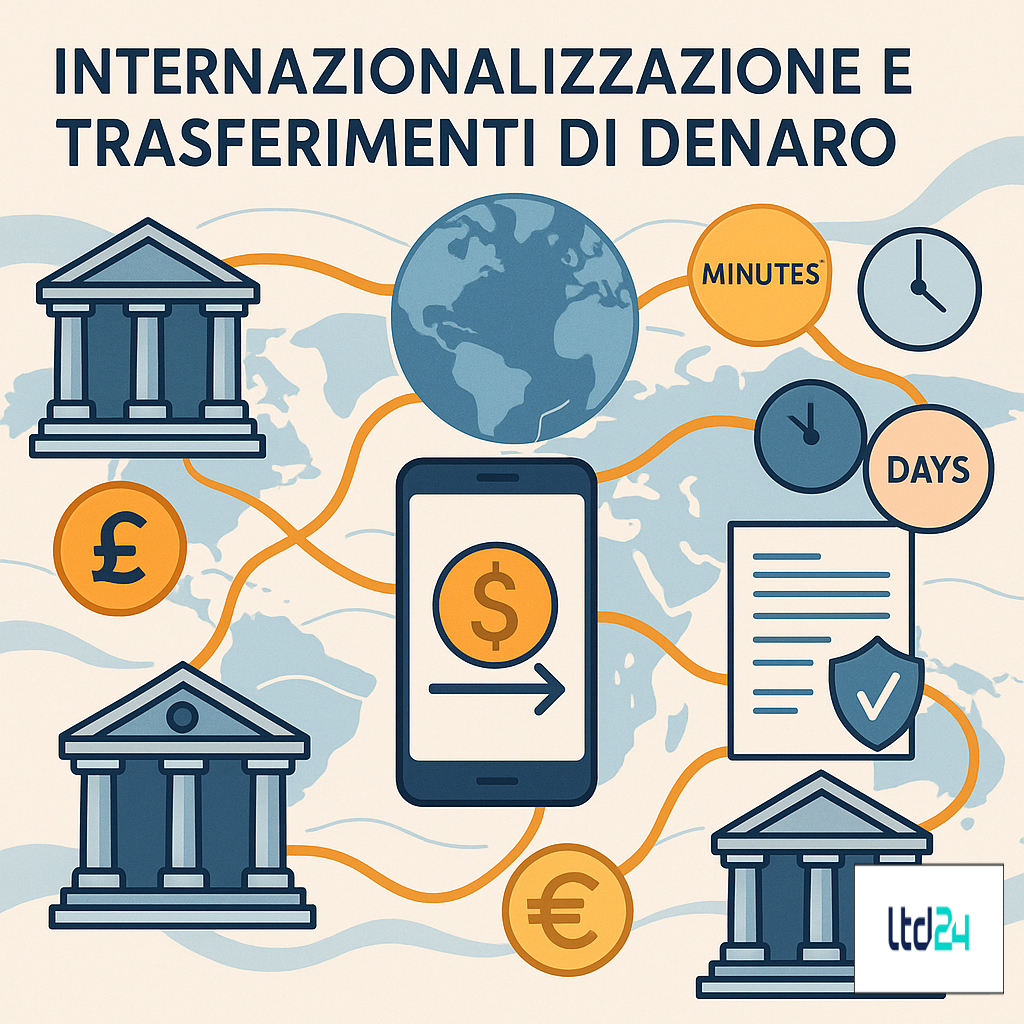
Understanding the Timeframe of International Money Transfers
International bank transfers have become an integral part of global commerce and personal financial management. Whether you’re a business owner making payments to overseas suppliers, an expatriate sending money to family, or an investor transferring funds to international accounts, understanding the timeline of these transactions is crucial for effective financial planning. The duration of international transfers varies significantly based on numerous factors including banking systems, regulatory requirements, and transaction methods. In essence, international transfers typically take between 1-5 business days to complete, though this timeframe can extend considerably depending on specific circumstances that we’ll explore throughout this article.
The Basic Process Behind International Transfers
Before delving into specific timeframes, it’s important to understand the fundamental process that occurs when you initiate an international bank transfer. When you send money abroad, your funds don’t simply travel directly from your account to the recipient’s. Instead, they pass through a complex network of correspondent banks and clearing systems. Your bank first debits your account and then sends payment instructions through these networks, which may include the SWIFT (Society for Worldwide Interbank Financial Telecommunication) system, the primary mechanism for international transfer communications. This process involves multiple verification steps and compliance checks at each stage, which collectively contribute to the overall duration of the transfer. Most international transfers utilize the SWIFT network, which connects over 11,000 financial institutions across more than 200 countries worldwide.
Factors Affecting International Transfer Speed
The duration of international bank transfers is influenced by a multitude of variables. Currency pairs play a significant role—transfers between major currencies like USD, EUR, and GBP typically process faster than those involving less commonly traded currencies. Geographic distance surprisingly remains relevant despite digital systems, with transfers to neighboring countries often completing more quickly than those to distant regions. Banking relationships are crucial; banks with established correspondent relationships facilitate faster transfers. Regulatory compliance requirements including anti-money laundering (AML) and know-your-customer (KYC) procedures can introduce significant delays, particularly for transfers to countries designated as high-risk. The Financial Action Task Force maintains standards that affect these processes globally. Additionally, transfer pricing considerations may impact business transactions, potentially introducing additional verification steps.
Standard Timeframes for Different Transfer Methods
International transfers can be conducted through various methods, each with distinct timeframe implications. SWIFT transfers, the most common method, typically take 1-5 business days to complete. SEPA (Single Euro Payments Area) transfers, applicable only within European countries, are significantly faster, often clearing within 24 hours. Wire transfers through specialized services may offer same-day or next-day delivery, though at premium costs. Digital payment platforms like PayPal, Wise (formerly TransferWise), and Revolut have revolutionized the landscape by offering faster processing times—sometimes within minutes—though they may have transaction limits. For businesses involved in regular international commerce, establishing efficient payment systems is critical for managing cash flow. The method you choose should align with your specific urgency, cost considerations, and security requirements.
Business Hours and Cut-Off Times
A frequently overlooked factor affecting international transfer timing is the concept of banking hours and cut-off times. Most banks process international transfers only during their standard business hours and have specific cut-off times for same-day processing. For example, if you initiate a transfer after 3:00 PM (a common cut-off time), your transaction may not begin processing until the next business day. This effect is compounded when transfers cross multiple time zones. A transfer from London to Sydney initiated late Friday afternoon may not begin processing until Monday morning in London, which is already Monday afternoon in Sydney—potentially adding several days to the total transfer time. Businesses engaged in global commerce should consider these timing factors when establishing payment schedules for international operations.
The Role of Intermediary Banks
International transfers often involve intermediary banks, sometimes called correspondent banks, which act as middlemen in the transaction process. These institutions are necessary when your bank and the recipient’s bank don’t have a direct relationship. Each intermediary bank involved adds a layer of processing time and potentially additional fees. A transfer might pass through one, two, or even three intermediary banks before reaching its final destination. Each intermediary must conduct its own compliance checks and processing procedures, creating cumulative delays. Furthermore, issues at any intermediary point can stall the entire transfer. For businesses managing international supply chains, understanding these potential delays is crucial for effective tax planning and compliance. Complex transfers involving multiple currencies and banking systems are particularly susceptible to intermediary-related delays.
Weekend and Holiday Considerations
Banking calendars significantly impact international transfer timing. Most banks only process transfers on business days, excluding weekends and public holidays. This becomes particularly complicated in international contexts where different countries observe different holidays. For example, a transfer from the United States to the United Arab Emirates may be delayed due to the different weekend schedules (Saturday-Sunday in the US vs. Friday-Saturday in the UAE). Similarly, transfers during major holiday periods such as Christmas, Chinese New Year, or Ramadan may experience extended delays. For businesses engaging in cross-border commerce, planning transfers around these calendar variations becomes an important aspect of financial management. It’s advisable to consult international banking calendars when timing critical transfers.
Comparing Bank Transfer Times by Region
Transfer speeds vary substantially across different global regions due to local banking infrastructure, regulations, and economic integration factors. European transfers within the SEPA network are among the fastest, typically completing within 1 business day. North American transfers to and from the United States typically take 1-3 business days for major currencies. Asia-Pacific transfers show greater variation—transfers to developed markets like Japan, Singapore, and Australia may complete in 1-3 days, while transfers to emerging markets might require 3-5 days or more. Middle Eastern and African transfers often experience the longest delays, potentially 5-7 business days, due to enhanced compliance checks and less integrated banking systems. Understanding these regional variations is essential for businesses establishing international corporate structures with global payment needs.
Expedited Transfer Options
For situations requiring faster funds delivery, several expedited transfer options exist, though they typically involve premium fees. Same-day international wires are available through some major banks for specific currency pairs and destinations, often at fees 50-100% higher than standard transfers. Currency brokers sometimes offer expedited service for business clients with established relationships. Digital payment platforms increasingly provide near-instant transfer options for certain corridors, though usually with transaction limits. Express remittance services through companies like Western Union or MoneyGram offer rapid transfers to cash pickup locations, which can be particularly valuable when the recipient requires immediate access to funds rather than bank account deposits. For businesses with time-sensitive payment requirements, establishing relationships with financial service providers offering expedited options may justify the additional costs in specific scenarios.
Regulatory Compliance and Security Checks
International transfers are subject to rigorous regulatory oversight designed to prevent money laundering, terrorist financing, and sanctions violations. These compliance procedures, while necessary, contribute significantly to transfer delays. Transfers may be temporarily held for enhanced due diligence if they trigger certain risk indicators such as unusual amounts, destinations, or patterns. Sanctions screening against international watchlists occurs at multiple points in the transfer process. Transaction monitoring systems at both sending and receiving institutions may flag transfers for manual review based on algorithmic risk scoring. Transfers to countries designated as high-risk for financial crimes face particularly thorough scrutiny. For businesses operating internationally, understanding these compliance considerations is critical for effective corporate governance. Maintaining comprehensive documentation of the business purpose behind international transfers can help mitigate potential delays.
Tracking Your International Transfer
Most financial institutions now provide mechanisms to track the status of international transfers, though the degree of transparency varies considerably. SWIFT tracking codes (sometimes called MTRNs or Message Transfer Reference Numbers) allow basic tracking through the SWIFT network. Many online banking platforms offer status updates at key stages of the transfer process. Dedicated tracking portals provided by some banks give more detailed information about where funds are in the transfer chain. Customer service representatives can often access more detailed information than what’s visible through self-service channels. For businesses conducting frequent international transfers, investing time in understanding your bank’s tracking capabilities is valuable for managing international cash flow. Setting up proactive notification systems can help anticipate and address potential delays before they impact business operations.
Common Delay Causes and How to Avoid Them
Several common issues frequently cause international transfer delays beyond the standard processing time. Incomplete or incorrect beneficiary information is perhaps the most prevalent cause—even minor discrepancies in account numbers, bank codes, or recipient names can trigger manual reviews or return requests. Missing supporting documentation for transfers over certain thresholds or to specific destinations often leads to processing holds. Currency conversion complications occasionally arise when intermediary banks cannot efficiently execute the required exchange. Compliance flags triggered by unusual transaction patterns may initiate enhanced reviews. To minimize these issues, double-check all recipient details, proactively provide purpose documentation for larger transfers, establish regular transfer patterns when possible, and maintain open communication channels with your banking partners. For businesses with complex international structures, working with tax and compliance advisors can help streamline these processes.
Cost Implications of Transfer Speed
A direct correlation exists between transfer speed and cost in international banking. Faster transfer options invariably command premium fees. Standard international transfers typically incur base fees ranging from $15-50 depending on the institution, plus potential percentage-based charges on larger amounts. Expedited options can increase these costs by 50-100%. Less visible but equally important are the exchange rate margins applied to currency conversions, which often represent the largest cost component of international transfers. Banks typically apply wider margins to faster transfers, effectively charging more for expedited currency conversion. Digital transfer services may offer more competitive rates but with different fee structures. For businesses conducting regular international transfers, analyzing the complete cost picture—including explicit fees, exchange rate margins, and correspondent bank deductions—is essential for optimizing financial operations. Negotiating preferential rates may be possible for companies with significant transfer volumes.
Digital Banking and New Transfer Technologies
The landscape of international transfers is being rapidly transformed by technological innovation. Blockchain-based transfer systems are reducing processing times from days to minutes for certain corridors and currencies. Fintech payment platforms utilizing direct banking integration through APIs offer faster processing at lower costs than traditional banking channels. Real-time gross settlement (RTGS) systems being developed at national and regional levels are accelerating cross-border payments between participating countries. Central Bank Digital Currencies (CBDCs) under development in numerous countries promise to further revolutionize international transfers in coming years. For businesses engaged in digital commerce, staying informed about these emerging options can provide significant competitive advantages in managing international payment systems. The adoption of these technologies varies significantly by region, with certain markets emerging as early adopters.
Planning for Critical International Transfers
For time-sensitive international transfers—such as property settlement payments, business acquisition funds, or urgent supplier remittances—careful advance planning is essential. Begin by establishing realistic timeframes based on the specific transfer corridor, incorporating all potential delays. Communicate proactively with both sending and receiving financial institutions about the transfer’s importance and timing requirements. Consider splitting very large transfers into smaller amounts that may face fewer compliance hurdles. Pre-notify your bank about upcoming significant transfers, which can allow them to prepare necessary compliance frameworks in advance. For businesses with regular critical payment needs, establishing standing operating procedures with your banking partners can streamline future transfers. Working with financial advisors specializing in international transactions can help identify potential bottlenecks before they cause problems.
Special Considerations for Business Transfers
Businesses face unique considerations when conducting international transfers that differ from personal remittances. Transaction limits for business accounts are typically higher but may trigger enhanced due diligence. Documentation requirements are more stringent, often necessitating invoices, contracts, or customs documentation to substantiate the transfer purpose. Batch processing capabilities offered by some financial institutions allow more efficient handling of multiple international payments. Specialized business banking services may provide dedicated relationship managers who can expedite transfers when necessary. International trade finance instruments like letters of credit can sometimes offer alternatives to direct transfers with different timing implications. For companies establishing international operations, consulting with corporate formation specialists who understand the banking requirements of different jurisdictions can help create more efficient payment structures.
Recipient Bank Processing Time
Even after funds have left your bank and passed through all intermediary institutions, the recipient bank’s internal processing can add further time before the money becomes available to the beneficiary. Receiving banks typically apply their own funds availability policies, which may include holding periods for international deposits. Compliance verification occurs again at the receiving end, potentially introducing additional delays. Credit posting procedures vary significantly between institutions, with some posting funds the same day they’re received and others batching international receipts for end-of-day processing. Account verification steps ensure the recipient account is valid and eligible to receive the transfer. For businesses expecting critical incoming payments, establishing communication channels with the receiving bank can provide greater visibility into these final processing steps. Companies with international corporate structures often benefit from maintaining relationships with banks that have efficient international receipt processing.
Improving Your International Transfer Experience
Several strategies can enhance your overall international transfer experience regardless of which financial institutions you use. Establishing dedicated banking relationships with institutions specializing in your most frequent transfer corridors can lead to more efficient processing. Consolidating international transfers where possible creates more predictable patterns that may face fewer compliance delays. Maintaining detailed transfer records helps quickly address any questions that arise during processing. Leveraging digital banking platforms with robust international features provides greater visibility and control. Scheduling recurring transfers in advance allows banks to prepare necessary compliance frameworks. For businesses with complex international needs, working with specialist advisors in international tax and banking can help optimize your transfer strategy. Additionally, periodically reviewing your international transfer patterns can identify opportunities for consolidation or restructuring to improve efficiency.
Banking System Compatibility Issues
Incompatibilities between different national banking systems sometimes create unexpected delays in international transfers. Character set limitations in banking systems can cause problems with transfers involving languages using non-Latin alphabets. Field length restrictions occasionally truncate important beneficiary information. Account numbering format differences between countries may require special handling. National clearing code inconsistencies sometimes necessitate manual intervention during processing. Payment purpose code requirements vary between jurisdictions, with some requiring specific standardized codes that others don’t recognize. For businesses operating across multiple regions, understanding these technical compatibility issues can help avoid preventable delays. Working with international banking specialists who understand the technical nuances of different banking systems can provide valuable guidance for complex transfer needs.
Legal Framework for International Transfers
International transfers operate within complex legal frameworks that balance facilitation of legitimate commerce against prevention of financial crimes. The Bank Secrecy Act in the United States and similar legislation globally mandates extensive record-keeping and reporting for international transfers. FATF Recommendations create standardized expectations for anti-money laundering procedures worldwide. Sanctions regimes administered by various national and international bodies restrict transfers to specific countries, entities, and individuals. Foreign exchange control regulations in certain countries limit the amounts and purposes for which currency can be transferred across borders. For businesses operating globally, maintaining awareness of these evolving regulatory frameworks is crucial for compliance planning. Legal counsel specializing in international banking regulations can provide guidance on navigating these complex requirements.
Future Trends in International Transfer Speed
The international transfer landscape continues to evolve rapidly, with several emerging trends likely to impact transfer times in coming years. Open banking initiatives are creating standardized APIs that promise faster, more transparent international transfers. Distributed ledger technologies beyond blockchain are being explored by major banking consortiums to reduce settlement times. AI-powered compliance systems are improving the efficiency of security checks while reducing false positives that cause delays. Central bank digital currency projects in multiple countries aim to create new rails for international payments. Regional payment integration initiatives like P27 in Nordic countries are creating faster transfer corridors between participating nations. For forward-looking businesses, staying informed about these developments through international financial advisors can provide competitive advantages in planning future financial operations.
International Money Transfer Services: Expert Guidance
If you’re navigating the complexities of international money transfers, professional guidance can save you time, money, and frustration. At LTD24, we specialize in optimizing international financial operations for businesses and individuals alike. Our team of experts can help you identify the most efficient transfer methods for your specific needs, navigate compliance requirements, and implement strategies to minimize both costs and delays. We work with clients across diverse industries to streamline their international payment processes, from one-time transfers to complex recurring payment structures.
With extensive experience in cross-border financial regulations, our consultants can provide tailored advice on the most appropriate transfer solutions for your particular situation. Whether you’re establishing a new international business operation, managing overseas investments, or simply looking to improve your existing transfer processes, we offer practical solutions based on deep industry knowledge.
If you’re seeking to optimize your international transfers, we invite you to book a personalized consultation with our team. We’re a boutique international tax consultancy firm with advanced expertise in corporate law, tax risk management, wealth protection, and international audits. We offer customized solutions for entrepreneurs, professionals, and corporate groups operating globally.
Book a session with one of our experts now at $199 USD/hour and get concrete answers to your tax and corporate questions by visiting https://dash.ltd24ore.com/book_consultancy.

Bruno is a sales specialist at Ltd24 and a key collaborator in lead generation. He focuses on identifying potential clients, initiating first contact, and providing the initial support needed to help them move forward with their business projects. With a degree in Economics and Commercial Sales, Bruno stands out for his analytical mindset, customer-oriented approach, and strong communication skills. His proactive attitude and commercial awareness allow him to build solid relationships from the very first interaction. Outside of work, he enjoys competing in padel tournaments.


Comments are closed.