
Employee NIC: What You Need To Know
28 November, 2025
Introduction to Employee National Insurance Contributions
National Insurance Contributions (NICs) represent a fundamental component of the United Kingdom’s tax system, serving as a critical funding mechanism for the welfare state and public services. For businesses operating within the UK corporate landscape, comprehending the intricacies of Employee NICs is essential not only for regulatory compliance but also for effective payroll management and financial planning. Employee NICs constitute mandatory payments that workers make toward their entitlement to certain state benefits, including the State Pension, Jobseeker’s Allowance, and the National Health Service. The complexity of NICs often presents challenges for employers, particularly those establishing new ventures or expanding operations into the UK market from abroad. This article provides a detailed examination of Employee NICs, offering valuable insights for businesses seeking to navigate this crucial aspect of UK taxation with confidence and precision.
Legal Framework of National Insurance in the UK
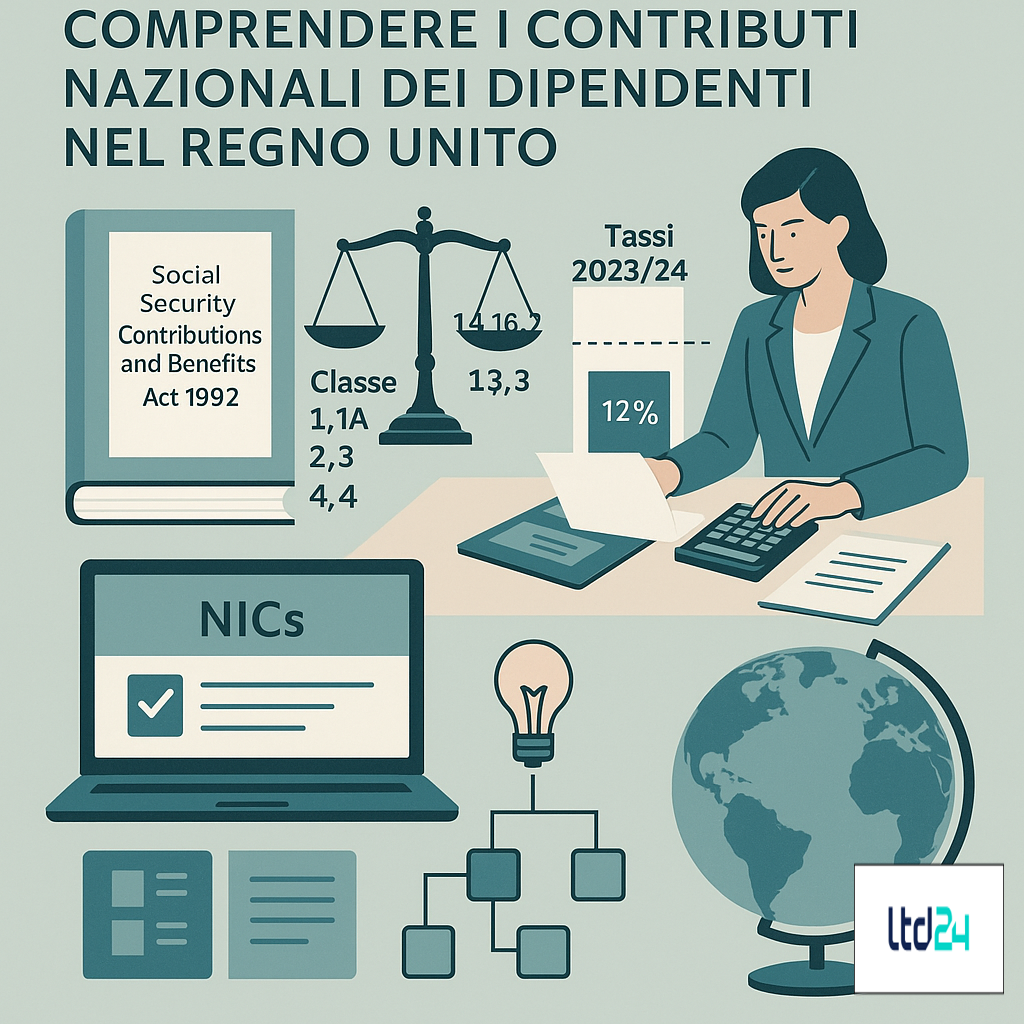
The legislative foundation for National Insurance in the United Kingdom is primarily established by the Social Security Contributions and Benefits Act 1992, supplemented by various statutory instruments and annual Finance Acts that modify rates and thresholds. This robust legal framework delineates the obligations of both employers and employees regarding National Insurance payments. Unlike discretionary contributions, NICs represent statutory financial obligations that carry significant legal implications for non-compliance. The HM Revenue & Customs (HMRC) serves as the enforcement authority, wielding considerable powers to investigate irregularities and impose substantial penalties for violations. For businesses establishing a presence in the UK through company incorporation, understanding this legal landscape is paramount to ensuring proper adherence to NIC regulations and avoiding potentially costly enforcement actions that could undermine financial stability and corporate reputation.
Classification of NICs: Understanding the Different Classes
The UK National Insurance system operates through a structured classification framework comprising several distinct categories, each applicable to different employment scenarios and income types. Class 1 NICs represent the most common form for employees, divided into primary contributions (paid by employees) and secondary contributions (paid by employers). Class 1A and 1B NICs apply exclusively to employers providing specific benefits-in-kind to employees. Meanwhile, Class 2 and Class 4 NICs concern self-employed individuals, with different calculation methods and thresholds. Finally, Class 3 NICs represent voluntary contributions individuals may make to fill gaps in their NI record. This classification system necessitates careful consideration when structuring employment arrangements, particularly for businesses utilizing both traditional employment and contractor relationships. Companies exploring options for UK company formation must account for these distinctions in their financial planning and payroll systems to ensure compliance while optimizing their contribution strategy within legal parameters.
Current Employee NIC Rates and Thresholds for 2023/24
For the 2023/24 tax year, Employee National Insurance Contribution rates and thresholds have undergone significant adjustments that merit careful attention from employers and payroll professionals. Currently, employees pay 12% of their weekly earnings between the Primary Threshold (PT) of £242 and the Upper Earnings Limit (UEL) of £967. Beyond the UEL, the contribution rate decreases to 2%. No NICs are payable on earnings below the Lower Earnings Limit (LEL) of £123 per week, though individuals earning between the LEL and PT receive NI credits without making actual payments. These figures represent critical operational parameters for businesses conducting payroll management, requiring precise implementation to ensure compliance. Notable developments include adjustments to accommodate economic conditions and policy objectives, making it imperative for businesses to regularly review these thresholds and rates, particularly when preparing annual budgets or considering compensation structures. Reference to the HMRC’s official guidance remains essential for the most current information.
Employer Responsibilities in NIC Management
Employers bear substantial legal obligations regarding Employee National Insurance Contributions, serving as collection agents for HMRC through the Pay As You Earn (PAYE) system. These responsibilities include accurately calculating NICs based on current rates, deducting the appropriate amounts from employee salaries, contributing employer NICs (which represent an additional business expense), and remitting the combined sums to HMRC monthly or quarterly. Additionally, employers must maintain comprehensive records of all NIC transactions for a minimum of three years, provide employees with itemized payslips detailing deductions, and complete annual end-of-year reporting through Real Time Information (RTI) submissions. For businesses establishing a UK company, implementing robust payroll systems capable of addressing these requirements is essential. Non-compliance risks include financial penalties, interest charges on late payments, and potential reputational damage. Many businesses, particularly those with complex payroll needs, opt for specialized payroll software or outsourced services to ensure these obligations are fulfilled with precision and timeliness.
NIC Calculation Methodology and Practical Examples
The calculation methodology for Employee NICs follows a structured approach based on earnings thresholds and applicable rates. For standard weekly-paid employees, NICs are calculated by determining the portion of earnings falling within each relevant band and applying the corresponding percentage. For example, consider an employee earning £1,200 weekly in 2023/24: No NICs apply on the first £242 (PT); 12% applies on earnings between £242 and £967 (UEL), equaling £87; and 2% applies on the remaining £233 above the UEL, equaling £4.66. The total weekly NIC deduction would therefore be £91.66. For monthly-paid staff, these thresholds are multiplied by 52 and divided by 12 to derive monthly equivalents. Employers must also account for additional complexities such as irregular payment patterns, multiple employments, and specific reliefs like the Employment Allowance. Businesses establishing operations through UK company formation should ensure their payroll systems can accurately execute these calculations, as errors can lead to underpayments or overpayments requiring subsequent correction and potential penalties from HMRC.
Special NIC Considerations for Directors
Company directors face unique National Insurance contribution rules that differ from those applied to standard employees, reflecting their distinct legal status and often irregular remuneration patterns. Unlike regular employees, directors’ NICs are typically calculated on an annual basis rather than per pay period, using annual thresholds regardless of whether they receive remuneration weekly, monthly, or irregularly. This "annual earnings period" approach applies the standard NIC rates to the cumulative earnings throughout the tax year. For directors with substantial shareholdings, dividend payments represent a strategic alternative to salary, as they aren’t subject to NICs, though they carry different tax implications. When establishing a new business venture and considering director appointments, these NIC implications should factor into remuneration planning. Directors also face specific reporting requirements, including potential declarations on their Self Assessment tax returns. The complexity of these arrangements often warrants specialized guidance, particularly for overseas directors unfamiliar with UK tax provisions or entrepreneurs structuring their first limited company.
International Dimensions: NICs for Expatriate Employees
The treatment of National Insurance Contributions for expatriate employees introduces additional layers of complexity, governed by international agreements and specific statutory provisions. For employees coming to work in the UK, NICs are generally required unless covered by a reciprocal social security agreement (also known as a Totalization Agreement) with their home country. The UK maintains such agreements with all EU/EEA countries, plus several non-EU nations including the United States, Canada, and Japan. These agreements typically allow for continued home country social security payments for temporary assignments (usually up to five years), preventing double taxation. Conversely, UK employees working abroad may remain within the UK NIC system for limited periods. For businesses establishing UK operations with international staff, understanding these provisions is crucial for compliance and cost management. Documentation requirements include obtaining A1/Certificate of Coverage forms for covered employees. Specialist international tax advice is often necessary, particularly for complex situations involving multiple jurisdictions or extended assignments, to ensure compliance while optimizing the employer’s overall position regarding social security obligations.
NIC Relief Programs and Incentives
The UK government offers several relief programs and incentives related to National Insurance Contributions, designed to support business growth, employment, and specific economic objectives. The Employment Allowance represents a significant benefit, enabling eligible employers to reduce their annual employer NICs by up to £5,000, particularly benefiting small businesses. For employers hiring employees under 21 or apprentices under 25, reduced employer NIC rates apply, with zero secondary contributions up to the Upper Secondary Threshold. The Freeport Employee NIC Relief provides enhanced advantages for businesses operating within designated Freeport areas. Additionally, certain industries such as research and development, specialized technical sectors, and maritime operations may qualify for targeted NIC incentives. Businesses setting up in the UK should evaluate their eligibility for these programs as part of their financial planning. Strategic employment structuring, including consideration of part-time arrangements or specific employee demographics, can maximize these benefits while maintaining compliance with anti-avoidance provisions. Regular consultation with tax professionals ensures businesses leverage available reliefs while adapting to frequent legislative changes in this area.
Compliance Challenges and Common Pitfalls
Navigating Employee NICs presents several compliance challenges that businesses frequently encounter. Misclassification of workers represents a significant risk, particularly when distinguishing between employees and self-employed contractors—incorrect classifications can lead to substantial unexpected NIC liabilities and penalties. Benefits-in-kind often create complications, as many non-cash rewards carry NIC implications that require careful management. Timing issues arise with backdated pay, bonuses, or settlement agreements, which demand special calculation procedures. For businesses managing international assignments or offshore company structures, determining NIC liability becomes exceptionally complex due to overlapping international regulations. Common administrative errors include incorrect threshold applications, overlooked mid-year rate changes, and failures to implement salary sacrifice arrangements properly. The consequences of non-compliance range from financial penalties and interest charges to reputational damage and potential personal liability for directors. Implementing robust compliance systems, conducting regular internal audits, and seeking professional guidance, particularly when navigating complex scenarios or establishing new business operations, represent essential practices for mitigating these risks.
Recent and Forthcoming Changes to NIC Legislation
The National Insurance Contributions landscape continues to evolve through legislative amendments that impact both employers and employees. Recent significant developments include the Health and Social Care Levy, initially implemented as a temporary NIC increase before its subsequent cancellation, demonstrating the sometimes volatile nature of NIC policy. The government has also adjusted thresholds substantially, with the Primary Threshold being raised to align more closely with the Income Tax Personal Allowance. For the upcoming period, businesses should monitor potential changes including proposed adjustments to employer contribution rates, possible reforms to the Employment Allowance, and ongoing reviews of the differential treatment between employed and self-employed individuals. The government has also signaled intentions to modernize the NIC system through digital transformation initiatives, potentially affecting reporting mechanisms. For businesses involved in UK company taxation, staying informed about these developments is crucial for accurate forecasting and compliance planning. Industry consultations and policy papers from HM Treasury provide valuable indicators of future directions, while engaging with professional advisors ensures businesses can adapt strategically to the changing NIC environment.
Strategic Planning for NIC Efficiency
Effective strategic planning can significantly optimize a business’s position regarding Employee National Insurance Contributions while maintaining full compliance with legal requirements. Salary sacrifice arrangements represent a valuable approach, allowing employees to exchange part of their salary for non-cash benefits like pension contributions or childcare vouchers, reducing the NIC base for both parties. Carefully structured bonus timing can impact NIC liability, particularly when payments coincide with threshold changes. For business owners and directors, dividend planning offers potential advantages, as these payments fall outside the NIC regime, though they carry different tax implications. Companies may also consider share incentive plans like Enterprise Management Incentives (EMIs) that provide tax-advantaged equity participation without triggering NICs. For businesses establishing operations through UK company formation, structuring employment arrangements with these considerations from inception can yield substantial long-term savings. However, implementation requires careful navigation of anti-avoidance provisions and consideration of commercial substance requirements. Professional guidance from tax specialists with expertise in employment taxation ensures these strategies achieve their intended benefits while remaining within compliant parameters.
NICs in Relation to Other Payroll Taxes
Understanding the interrelationship between Employee National Insurance Contributions and other payroll tax obligations provides crucial context for comprehensive tax planning. While Income Tax and NICs share similarities as percentage-based deductions from employee earnings, they operate under distinct legislative frameworks with different thresholds, rates, and exemptions. This divergence creates planning opportunities but also compliance complexities. The interaction between NICs and Apprenticeship Levy (applicable to employers with annual pay bills exceeding £3 million) requires careful coordination within payroll systems. Student Loan repayments, collected through the PAYE system alongside NICs, add another layer to consider. For employers managing international staff or establishing UK subsidiaries, understanding how UK NICs interact with foreign social security systems becomes essential for preventing double taxation while ensuring compliance across jurisdictions. The cumulative impact of these various payroll taxes significantly affects both employer costs and employee take-home pay, necessitating integrated planning approaches. Specialized payroll software capable of handling these complex interactions helps businesses maintain compliance while efficiently managing their overall employment tax obligations.
Technology Solutions for NIC Management
The technological landscape offers increasingly sophisticated solutions for managing Employee National Insurance Contributions effectively and accurately. Modern payroll software platforms have evolved to handle the complexities of NIC calculations automatically, incorporating threshold changes, rate adjustments, and special cases such as directors’ NICs or salary sacrifice arrangements. Cloud-based solutions provide real-time updates to reflect legislative changes, reducing compliance risks associated with outdated parameters. HMRC-recognized software facilitates seamless Real Time Information (RTI) submissions, ensuring timely and accurate reporting. For businesses establishing operations through UK company registration, implementing appropriate technology from inception prevents costly rectification of historical errors. Advanced systems offer analytical capabilities that identify optimization opportunities while maintaining compliance. Integration with broader HR and accounting systems creates efficiencies through automated data flows. When selecting appropriate technology solutions, businesses should consider factors including scalability to accommodate growth, compliance certification, customer support quality, and integration capabilities with existing business systems. Regular system reviews ensure ongoing alignment with changing business needs and evolving legislation, maintaining the effectiveness of technological investments.
Employee Communication Best Practices
Effective communication about National Insurance Contributions plays a crucial role in employee engagement and understanding of their total compensation package. Clear, transparent explanations of NICs during onboarding processes establish proper expectations from employment commencement. Payslips should detail NIC deductions explicitly, distinguishing them from other withholdings and explaining the calculation basis. Beyond statutory requirements, proactive employers provide educational resources explaining how NICs contribute to employee entitlements such as State Pension, NHS services, and other benefits. When implementing changes affecting NICs, such as salary sacrifice arrangements or adjustments to compensation structures, comprehensive communication strategies prevent misunderstandings and resistance. For businesses setting up UK operations, establishing these communication practices early creates a foundation of transparency. Personalized illustrations demonstrating the impact of NICs on take-home pay and future benefits help employees make informed financial decisions. Regular updates about legislative changes affecting NICs, delivered through accessible channels, demonstrate employer commitment to keeping staff informed about matters directly affecting their compensation. These communication practices enhance employee financial literacy while supporting broader engagement objectives.
Auditing and Reviewing NIC Compliance
Regular auditing and reviewing of NIC compliance represents a fundamental risk management practice for UK businesses. Internal audit procedures should encompass comprehensive examinations of payroll records, checking calculation accuracy, threshold applications, and special cases like directors’ NICs. Reconciliation exercises comparing NIC deductions against payments to HMRC identify discrepancies requiring correction. Sample testing of individual employee records across different salary levels and employment arrangements verifies consistent application of NIC rules. For businesses managing UK companies, establishing these review mechanisms early prevents accumulation of errors that become increasingly difficult to rectify. When internal reviews identify potential issues, conducting deeper investigations into root causes prevents recurrence. Documentation of review findings and subsequent actions provides an audit trail demonstrating compliance efforts. External professional reviews, particularly preceding significant corporate events or following major legislative changes, offer independent verification of compliance status. Regular reviews of employment arrangements, particularly for contractors or non-standard roles, ensure classification decisions remain appropriate. This systematic approach to NIC compliance monitoring significantly reduces the risk of unexpected liabilities emerging during HMRC inquiries while demonstrating good governance practices.
Dispute Resolution and HMRC Interactions
Navigating disputes and interactions with HMRC regarding Employee National Insurance Contributions requires strategic approaches to achieve favorable resolutions. When HMRC raises queries or initiates compliance checks, businesses should respond promptly while carefully reviewing the scope and basis of the inquiry. During formal investigations, maintaining comprehensive documentation of calculation methodologies, decision rationales, and compliance efforts becomes crucial. For disputed assessments, businesses have formal appeal rights that must be exercised within specific timeframes—typically 30 days from the decision notice. The review process offers opportunities to present additional evidence and legal arguments supporting the business’s position. For complex or high-value disputes, engaging specialized tax counsel provides strategic advantages through expertise in relevant case law and negotiation approaches. For businesses establishing UK operations through company formation services, understanding these processes in advance facilitates more effective responses if disputes arise. Alternative dispute resolution mechanisms, including HMRC’s Litigation and Settlement Strategy, may offer more efficient paths to resolution than formal litigation. Throughout interactions with HMRC, maintaining professional, cooperative relationships while robustly defending legitimate positions represents the most effective approach to resolving NIC disputes satisfactorily.
Looking Forward: Navigating the Future of NICs
The future landscape of Employee National Insurance Contributions appears set for significant evolution, driven by broader trends in work patterns, technology, and policy priorities. The continued growth of flexible working arrangements, including remote work, hybrid models, and international mobility, presents challenges for traditional NIC structures based on physical presence and standard employment relationships. The gig economy’s expansion continues to pressure the distinctions between employed and self-employed status, potentially leading to reforms addressing this increasingly blurred boundary. Technological advancements may facilitate more personalized approaches to social security contributions, potentially including real-time adjustments or more nuanced treatment of different income types. Policy discussions increasingly focus on pension funding sustainability, suggesting potential long-term structural reforms to NICs as demographic pressures intensify. For businesses engaged in UK company taxation, anticipating these trends enables proactive adaptation rather than reactive compliance. Monitoring government consultations, policy papers, and international developments provides valuable indicators of future directions. Maintaining flexibility in employment structures and payroll systems ensures businesses can respond efficiently to legislative changes, while regular consultation with tax professionals helps interpret the implications of emerging trends for specific organizational circumstances.
International Tax Support for Your Business
If you’re managing employee NIC obligations or other international tax matters, navigating the complexities requires specialized expertise. At LTD24, we understand the challenges businesses face when dealing with multi-jurisdictional tax compliance and planning opportunities.
Our international tax consulting team provides tailored solutions for entrepreneurs, professionals and corporate groups operating globally. We specialize in corporate structuring, tax risk management, wealth protection strategies, and cross-border compliance.
Whether you’re establishing a new UK operation, managing expatriate employees, or seeking to optimize your existing NIC arrangements, our experts can provide the guidance you need to ensure compliance while maximizing efficiency.
Book a personalized consultation with one of our specialists at £199 per hour to address your specific international tax questions and develop a strategic approach to your employment tax obligations. Contact us today to secure your competitive advantage in international business operations.

Bruno is a sales specialist at Ltd24 and a key collaborator in lead generation. He focuses on identifying potential clients, initiating first contact, and providing the initial support needed to help them move forward with their business projects. With a degree in Economics and Commercial Sales, Bruno stands out for his analytical mindset, customer-oriented approach, and strong communication skills. His proactive attitude and commercial awareness allow him to build solid relationships from the very first interaction. Outside of work, he enjoys competing in padel tournaments.


Comments are closed.